
You spent hours creating that blog post. Or that YouTube video. Or that podcas t episode. And then — it got a few views, maybe a like or two, and quietly disappeared into the internet abyss.
Sound familiar?
Here’s the truth most businesses miss: the problem isn’t the content itself. The problem is that it was only used once.
That’s exactly what content repurposing means — and understanding it could completely change how much value you extract from every piece of content you create.
In this guide, you’ll learn the full meaning of content repurposing, why it matters for SEO and marketing, real examples of how it works, and how to build a simple system around it.
What Does Content Repurposing Mean?
Content repurposing means taking an existing piece of content and transforming it into one or
more new formats or pieces of content — without starting from scratch each time.
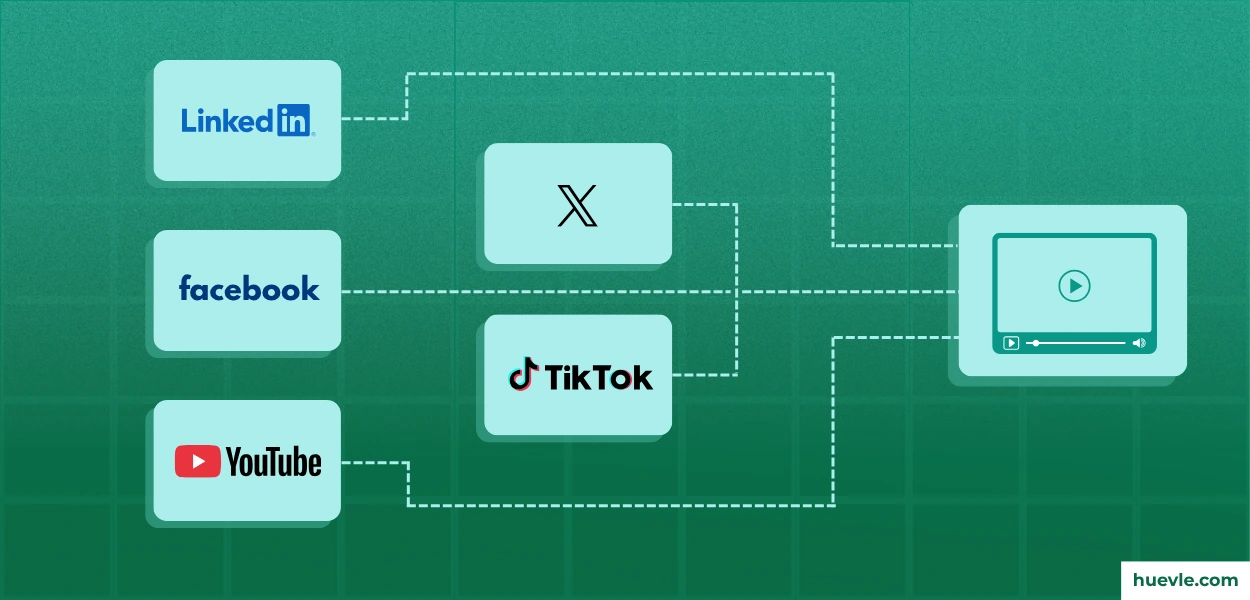
Think of your original content as raw material. A blog post becomes a carousel. A webinar becomes a course. A podcast becomes a newsletter. A YouTube video becomes 10 short-form clips. The core idea stays the same; the for mat changes to reach new audiences on new platforms
- Simple Definition
Content repurposing means: taking one piece of content and reshaping it into multiple formats to reach more people, on more platforms, without writing everything from zero.
It’s not copy-pasting. Repurposed content is thoughtfully adapted — the tone, length, and structure are adjusted to fit each new channel and audience.
Content Repurposing vs. Content Recycling —What's the Difference?
These terms are often used interchangeably, but there’s a nuance worth knowing:
- Content Recycling: Re-sharing the same content as-is (e.g., re-tweeting an old post, re-sharing a blog link on social media). Minimal effort, minimal transformation.
- Content Repurposing: Actively transforming content into a new format for a new audience or platform. High-value, high-impact.
Repurposing is the smarter, more strategic version. It multiplies the value of your original effort rather than simply re-broadcasting it.
Why Does Content Repurposing Matter for Your Business?
Understanding what content repurposing means is step one. Understanding why it matters is
what gets results. Here are the key reasons businesses are doubling down on this strategy:
- Maximizes ROI on Every Piece of Content
Creating quality content takes time, money, and mental energy. Repurposing means you get 5x, 10x, even 20x the mileage from the same investment. One long-form blog post can fuel a month’s worth of social media content. - Boosts SEO with More Indexed Pages and Backlinks
Each repurposed piece — whether it’s a YouTube video, an infographic, or a LinkedIn article — is another indexed asset that can rank in search results, earn backlinks, and drive traffic back to your core content and website. - Reaches Audiences Who Prefer Different Formats
Some people read blogs. Others watch videos. Many scroll short–form reels. Content repurposing means you meet your audience wherever they are, in the format they prefer—rather than forcing them to come to you. - Reinforces Your Message Through Repetition
Marketing research consistently shows that people need to encounter a message multiple times before they take action. Repurposed content lets you repeat your core message across platforms without sounding like a broken record, because the format is always fresh. - Keeps Your Content Calendar Full (Without Burning Out)
One of the biggest challenges for small business owners is consistently showing up online. Content repurposing solves this. One pillar piece of content can generate weeks of posts, emails, clips, and articles.
We Do This For You
Huevle’s Content Repurposing Service turns your videos, blogs, and podcasts into a full content ecosystem — SEO -optimised, platform-ready, and done for you.
Real Examples of What Content Repurposing Looks Like
Let’s make the definition concrete. Here’s what content repurposing means in practice, with real-world examples:
Starting Asset: A Long-Form Blog Post
- Break it into a LinkedIn article series
- Pull key stats into an infographic
- Record yourself reading it—instant podcast episode
- Turn the subheadings into a Twitter/X thread
- Build a lead magnet PDF from the core framework
Starting Asset: A YouTube Video (15–30 mins)
- Extract 5–10 short clips for Instagram Reels, TikTok, YouTube Shorts
- Transcribe it and clean it into a blog post
- Pull quotes for social media graphics
- Turn the transcript into an email newsletter
- Build a FAQ post from the comments section
Starting Asset: A Podcast Episode
- Convert to a blog post with transcript and takeaways
- Create audiogram clips for Instagram/LinkedIn
- Pull the best quotes for carousel posts
- Compile a ‘Best Of’ episode from top clips
Notice a pattern? One source piece can easily become 8–12 unique content assets. That’s what content repurposing means in practice.
How to Start Repurposing Content: A Simple 5-Step Framework
You don’t need a massive team or expensive tools to begin. Here’s how to build your content
repurposing system from the ground up:
- Audit Your Existing Content—Start with what you already have. Which blog posts performed well? Which videos got the most views? These are your best candidates for repurposing.
- Identify Your Best Distribution Channels—Where is your audience most active Instagram, LinkedIn, YouTube, email? Pick 2–3 channels and focus there first.
- Match Content to Format—Not every piece works in every format. Long educational content works as a blog or course. Quick tips work as short-form video. Data works as infographics.
- Adapt, Don’t Just Copy—Rewrite for the tone and structure of each platform. A LinkedIn post sounds different from a TikTok caption. Adapt accordingly.
- Create a Repurposing Calendar—Plan which original piece gets repurposed when and into what format. Systematize it so it becomes a reliable process.
- Pro Tip from Huevle
Start with your single best-performing piece of content and challenge yourself to create 10 different assets from it before creating anything new. You’ll be amazed at how much value is already sitting in your archive.
Popular Tools That Support Content Repurposing
If you’re doing this yourself, these tools can speed up the process significantly:
- Descript—Record, transcribe, and clip audio/video content easily
- Canva—Turn text-based content into graphics, carousels, and infographics
- Opus Clip / Vidyo.ai—AI-powered short clip extraction from long videos
- ChatGPT / Claude—Help rewrite content for different tones and formats
- Repurpose.io—Automate content distribution across platforms
- Notion or Airtable—Organise your repurposing content calendar
That said, tooling is only part of the equation. A strategic eye for what to repurpose, how to adapt it, and where to distribute it is what actually drives results—and that’s where professional services come in.
Frequently Asked Questions About Content Repurposing
What does content repurposing mean in simple terms?
Content repurposing means taking one piece of content—like a blog post, video, or podcast—and transforming it into multiple new formats for different platforms. Instead of creating everything from scratch, you work smarter by extracting more value from what you’ve already made.
Is content repurposing good for SEO?
Yes. Each repurposed piece creates a new indexable asset—a YouTube video, a LinkedIn article, a SlideShare presentation—all of which can rank in search engines, earn backlinks, and drive traffic back to your main site. It amplifies your SEO footprint significantly.
How often should I repurpose content?
Ideally, every major piece of content you create should have a repurposing plan attached to it from the start. A good rule of thumb: create one high-quality pillar piece per month and repurpose it into 8–12 smaller assets across the following weeks.
Does repurposed content count as duplicate content for Google?
Not when done correctly. As long as you meaningfully adapt the content for each format and platform — rewriting, restructuring, and reformatting — search engines see it as unique content. Simply copy – pasting the same text to multiple URLs can cause duplicate content issues.
Can small businesses benefit from content repurposing?
Absolutely — in fact, small businesses benefit the most. With limited time and budget, repurposing lets you do more with less. One video or blog post can power your entire content calendar for weeks, which is invaluable when you don’t have a full marketing team.
What types of content are best to repurpose?
Evergreen content (content that stays relevant over time), your top-performing posts, in-depth tutorials, and pillar guides are ideal starting points. Avoid repurposing highly time – sensitive news or content that will quickly become outdated.
What's the difference between content repurposing and content syndication?
Content syndication means republishing your content in its original form on third-party platforms (like Medium or industry sites). Content repurposing means transforming the content into new formats. Both have value, but repurposing offers more creative flexibility and broader audience reach
Conclusion: Work Smarter, Not Harder
Now you know what content repurposing means — and more importantly, why it’s one of the highest-leverage marketing strategies available to any business, regardless of size or budget. Instead of endlessly churning out new content and burning out, successful businesses build systems that extract maximum value from every piece they create. One blog post. One video. One podcast. Transformed into a month of content that works across every channel your audience uses. The businesses winning online in 2026 aren’t necessarily creating the most content. They’re the ones repurposing it the smartest.